The New Paris Food & Wine Landscape: What’s Changed and Why It Matters
Paris no longer eats the way most visitors, and even many itineraries, assume it does. Not every day. Not at its best. And not in the places built to perform rather than to cook.

Intro
Around 9 a.m., the city smells like butter again. Bakeries are awake, cafés are filling up, and a chef in the 9th arrondissement unlocks their door just to receive vegetables. Not to cook yet. Just to see what arrived. In our work designing luxury food and wine experiences in Paris, this is where the day really begins.
That quiet moment says more about Paris today than any dining room dressed for show.
This is the Paris we move through now. Not the postcard version. Not the Michelin checklist. Not the dining experiences designed to look impressive instead of feeling right at the table.
Paris food culture has shifted. Slowly. Professionally. From inside the kitchens. And if you’re planning Paris food and wine itineraries for 2026, understanding that shift matters far more than knowing which restaurant just won another star.
From Prestige to Precision (and Why It Matters Now)
For a long time, Paris was easy to decode.
Luxury meant white tablecloths, long menus, formal service, serious wines poured with ceremony. Everything was correct. Everything was impressive. And sometimes, honestly, everything felt a bit stiff.
That world still exists. But it’s no longer where the energy is.
Over the past fifteen years, chefs trained in top kitchens started opening smaller places. Menus got shorter. Dining rooms got louder. Wine lists became more personal. Not to be cool, but to be coherent.
Ask chefs who opened restaurants after 2015, and you’ll hear the same thing, almost word for word: They wanted to cook food people actually wanted to eat again, daily.
Food journalists noticed the shift early. Sommeliers felt it immediately. Paris didn’t lower its standards; it sharpened them. This evolution defines today’s Paris dining trends, where precision, seasonality, and pleasure matter more than ceremony.
Wine Didn’t Rebel, It Adapted
Wine followed the same logic.
Natural wine didn’t take hold in Paris because it was provocative or trendy. It took hold because it worked. Chefs wanted wines that behaved like food, wines with energy, texture, and a sense of place.

Sommeliers stopped building lists around prestige alone. They started building them around timing. What works at lunch. What opens the palate. What doesn’t dominate the dish.
This wasn’t ideological. It was practical.
Today, many of the most interesting Paris natural wine bars and restaurant wine lists are short, seasonal, and constantly changing. Not because they lack ambition, but because they’re alive.
And if you spend time in these places, you’ll notice something else: people actually finish the bottle.
What Luxury Means in Paris Now
Luxury in Paris today isn’t about doing more.
It’s knowing that a neo-bistro in the 11th can feel more Parisian than a palace dining room. It’s understanding that a cheese course, served at the right moment, explains France better than a twelve-course tasting menu ever could.
Sommeliers will tell you this quietly, usually after service: most guests don’t care about labels. They care about how they feel at the table.For many guests, that feeling becomes the most memorable part of a luxury Paris food experience.
We see this constantly with private clients and travel designers. Once the pressure disappears, people relax. The conversation changes. Paris suddenly feels less intimidating and more generous.
This is also where many food experiences lose their way. Not because they’re bad. They’re often very polished. They’re just predictable.
Paris doesn’t reward formulas. It never really has.
Where Paris Feels Most Alive Right Now
Ask chefs and sommeliers where Paris feels most alive today and the answers tend to overlap:
- The 9th and 10th: neo-bistros, bakeries pushing fermentation forward, and wine bars where chefs gather after service
- The 11th: still the backbone; confident, seasonal, and uninterested in explanation
- The Marais (3rd and 4th): historic façades hiding some of the city’s most thoughtful cooking
- Saint-Germain (5th and 6th): often underestimated, quietly evolving, especially when it comes to wine
These neighborhoods work because they’re walkable. They breathe. A market, a bakery, a lunch counter, a wine bar. One place naturally leads to the next.For Paris itinerary planning, this rhythm is not a detail. It’s the structure.
How Professionals Think About Food & Wine Experiences Today
When we design private food and wine experiences in Paris, we don’t start with restaurants.
We start with a simple question: What should this meal explain about Paris?
Sometimes it’s history. Sometimes seasonality. Sometimes it’s just how Parisians actually eat when no one is watching.
Chefs think in context. Sommeliers think in timing. Food journalists talk less about “the best” and more about “the right.”
That’s the real shift.
Clients don’t want to be impressed all day. They want moments that land. A private tasting in a cellar where the noise drops. A market walk where someone explains why this product matters now. A glass of wine that makes sense with the food and with the street you’re standing on.
For travel designers building Paris itineraries, this changes everything.
The strongest food and wine experiences today share a few common traits:
- Go deeper instead of wider
- Are led by professionals, not scripts
- Leave room to sit, taste, and talk
- Feel rooted in the neighbourhood they happen in
Often, one well-placed experience does more than a full day of reservations. Especially in winter, when Paris is quieter and more itself.
This version of Paris works best for guests who value culture over performance. For private travelers, small groups, and first-time visitors who want to understand the city through taste, guided by chefs and sommeliers who live and work here every day.
If you’re building Paris food and wine itineraries for 2026 and looking for experiences rooted in expertise, rhythm, and real local life, this is where Paris is now.
Table of Contents
Explore more on Parisian Food &
Wine with Our Blog

Secret Cellar Cheese & Wine Tasting
At a charming cheese boutique in the Marais neighborhood, we’ll dive straight into the vast and exciting world that is French cheese: the history, production process, science, regional specialties, and cultural significance.
Read More

Discover a Parisian farmer’s market
We will meet up and delight our tastebuds right away with the most delicious croissant au beurre with coffee or tea à la Parisienne in a traditional neighborhood bakery before starting to stroll at one of the oldest markets in the city. We will share the brief history of this market and its neighborhood, how the market functions, French food traditions, etc.
Read More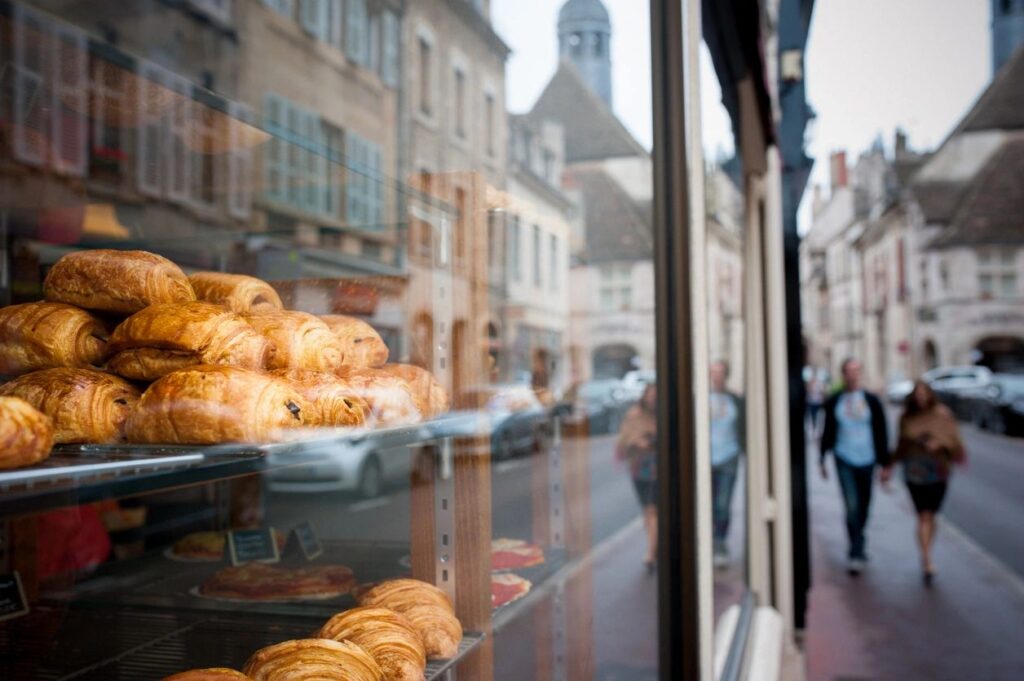
Top 10 Artisanal Bread Bakeries in Paris in 2025
Uncover the best boulangeries in Paris for authentic baguettes, croissants, and sourdough, handpicked by our culinary experts
Read More

Ready to Taste
Paris’s Finest Cuisine?
Inspired by these top dining destinations? Let We Taste Paris guide you through the city’s culinary wonders with our bespoke food and wine experiences. From intimate tastings in historic cellars to market walks uncovering local flavors, join Aurélien and Andrés for a private journey that complements your restaurant adventures.
Only Private experiences for the most personalized experience.

WeTasteParis Experiences
Crafted by Local Experts
-
French Essential Food & Wine Experience
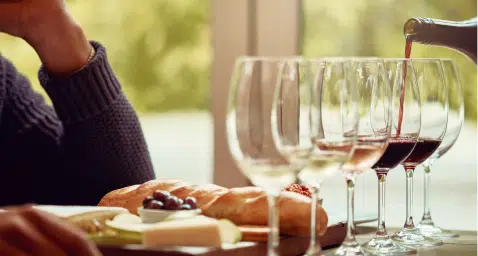
Explore the culinary heart of Paris on a 3-hour walking tour through Saint-Germain-des-Prés or Le Marais. Visit 6 artisanal shops, taste premium cheeses, charcuterie, and wines, and learn the secrets of French cuisine from expert chefs.
-

Secret 17th Cellar:Wine & Cheese Workshop
Dive into the world of French cheese and wine in a historic 17th-century cellar in Le Marais. Taste 8+ varieties of artisanal cheeses paired with biodynamic wines, and explore a cheese-aging chamber with certified specialists.
-
Tailor-Made Champagne Day Trip from Paris
Embark on a full-day private journey to Champagne country, visiting Grand Maisons and grower estates in Reims or Épernay. Taste 7-10 unique Champagnes, enjoy a 3-course lunch, and uncover the art of sparkling wine with expert sommeliers.
-

Discover France Through Wine: Premium Tasting in a Historic Paris Cellar
Immerse yourself in the rich tapestry of French winemaking with an exclusive tasting in a historic 17th-century cellar in the heart of Paris.
-
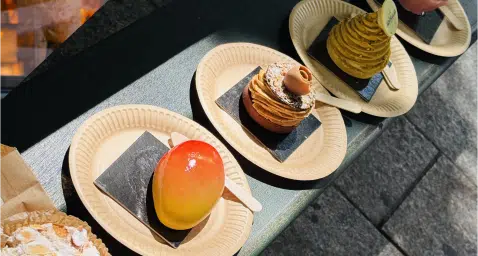
Sweet Paris: Deluxe Pastries & Chocolate Experience
Indulge in a 2.5-hour tour of Paris’s finest chocolate and pastry shops. Taste exquisite truffles, macarons, and seasonal treats while learning the art of French confectionery from a master pastry chef.
-

A Chef’s Market Walk: Explore Marché d’Aligre
Experience Paris like a local on a 3-hour market walk through the iconic Marché d’Aligre. Taste fresh produce, cheeses, and breads, and learn insider tips on French cooking from a professional chef.