Hidden Passages Paris: A Cultural & Gourmet Walk for Discerning Clients
Paris hides well. Not behind secret doors, but in plain sight. Beneath glass ceilings. Between two busy boulevards where most visitors walk past without slowing down.

Intro
The hidden passages Paris preserves are not decorative relics. They are working arteries of the city. Built for commerce, shelter, and efficiency, these historic arcades still offer one of the most refined ways to experience architecture and food Paris connects naturally.
For travel designers building thoughtful itineraries, the passages couverts Paris protects are more than curiosities. They are structured environments where culture, gastronomy, and daily life overlap without performance.
This walk begins in the 9th arrondissement and flows naturally toward the Palais-Royal. It is one of the rare Paris cultural walks where rhythm, taste, and history align effortlessly.
Setting the Pace Before the Arcades
Before stepping under glass, we begin above it.
Rue des Martyrs operates on repetition rather than spectacle. Bakers serve the same neighbors. Chefs collect produce quietly before service. Coffee is taken standing, quickly, without ceremony.
At KB CaféShop, the coffee is precise and unfussy. A few doors down, Sébastien Gaudard produces croissants defined by proper butter and disciplined lamination.
Starting here matters. A well-structured Paris food and wine itinerary is not built around highlights. It is built around tempo. Once the rhythm of the morning is understood, the hidden passages Paris begins to reveal feel coherent rather than curated.
Passage Verdeau: The Quiet Introduction
Built in 1847, Passage Verdeau was designed for specialists: book dealers, antique merchants, map sellers.
It is often overlooked, which makes it the perfect entry into the passages couverts Paris still preserves in their original form. The light softens. Conversations lower. Visitors instinctively slow down.
Here, architecture and food Paris culture begin to connect. You are no longer crossing neighborhoods. You are moving through layers of history.
Passage Jouffroy: Innovation Under Glass
Opened in 1846, Passage Jouffroy was one of the first arcades constructed entirely from iron and glass. It represented modernity at the time.
That spirit remains.
A natural stop is À la Mère de Famille, founded in 1761 and the oldest chocolate house in Paris. The chocolates are restrained rather than theatrical. They reflect continuity rather than trend.
Moments like this elevate Paris cultural walks beyond sightseeing. They anchor them in French culinary culture.
Passage des Panoramas: Commerce and Cuisine
Opened in 1799, Passage des Panoramas is the oldest of the hidden passages Paris continues to protect.
Originally built around printers and stamp dealers, it evolved into one of the most coherent gourmet Paris neighborhoods for understated dining.
A refined lunch option is Racines, where thoughtful cooking and low-intervention wines reflect how contemporary Paris approaches flavor and timing.
This is where architecture and food Paris merge visibly. Dining rooms are integrated into historic structures. Movement through the space becomes part of the culinary experience.
Galerie Vivienne: Elegance Without Excess
Opened in 1823, Galerie Vivienne introduces symmetry, mosaic floors, and refined proportions.
Here, the hidden passages Paris offers become visibly elegant without losing function.
At Legrand Filles et Fils, wine remains embedded in daily life rather than ceremony. Nearby, Debauve & Gallais continues a restrained chocolate tradition once associated with French royalty.
For evening extensions, Danico offers precision cocktails built with the same discipline sommeliers apply to wine.
These are not staged experiences. They are part of how Paris actually operates.
Ending at Palais-Royal
The walk opens naturally onto the Palais-Royal.
After moving through narrow corridors of glass and iron, the openness allows the experience to settle. Historically animated by cafés and debate, today it offers something rarer: calm.
Clients often realize they have covered minimal physical distance, yet moved through several eras of French culinary culture. That is the power of the passages couverts Paris maintains.
Why This Route Works for Travel Designers
The hidden passages Paris preserves provide:
- Cultural depth without overwhelming scale.
- Seamless transitions between architecture and food Paris traditions.
- Flexible pacing for half-day or full-day itineraries.
- Natural integration into broader gourmet Paris neighborhoods.
For Paris experiences for travel designers, this route offers structure without rigidity. It pairs easily with:
- A private sommelier-led tasting in a historic cellar.
- A curated pastry or chocolate experience.
- A neighborhood-based food and wine walk.
- A bespoke Champagne extension.
The strongest itineraries do not over-schedule. They move with the city. When architecture and food Paris culture align naturally, the experience feels rooted rather than arranged.
Planning Hidden Passage Walks for Clients
If you are building a refined Paris food and wine itinerary for high-end travelers, the hidden passages Paris offers provide a framework that is elegant, culturally grounded, and adaptable.
For travel designers seeking experiences anchored in real French culinary culture rather than formulaic tours, these Paris cultural walks offer something rare: continuity, history, taste, and space for conversation.
If you would like to explore how these secret Paris spots integrate into bespoke culinary programs for private clients, we are happy to share how we structure these experiences discreetly and professionally.
The Six Stops, Clearly Mapped
- KB CaféShop, 53 Avenue Trudaine, 75009.
- Sébastien Gaudard, 22 Rue des Martyrs, 75009.
- À la Mère de Famille, 35 Rue du Faubourg Montmartre, 75009.
- Racines, 8 Passage des Panoramas, 75002.
- Legrand Filles et Fils, 1 Galerie Vivienne, 75002.
- Debauve & Gallais, Galerie Vivienne, 75002.
- Danico, 6 Rue Vivienne, 75002.
Table of Contents

Ready to Taste
Paris’s Finest Cuisine?
Inspired by this 48h in Paris food itinerary? Let We Taste Paris guide you through the city’s culinary rhythm with bespoke food and wine experiences. From intimate tastings in historic cellars to market walks uncovering local flavors, join Aurélien and Andrés for a private journey that complements your itinerary without over-structuring it.
Only Private experiences for the most personalized experience.

Explore more on Parisian Food &
Wine with Our Blog

A Sommelier’s Guide to Natural Wine Bars in Paris (For Travel Designers & Savvy travelers)
A chef-sommelier guide to Paris natural wine bars, curated for travel designers and savvy travelers seeking flexible, local, and contemporary wine experiences.
Read More

Cheese and Wine in Paris: What Actually Matters: Field notes from cheese specialists
A field guide to cheese and wine in Paris, focused on timing, balance, and real eating habits, written by local specialists who understand how Parisians actually taste and pair.
Read More
Discover a Parisian farmer’s market
We will meet up and delight our tastebuds right away with the most delicious croissant au beurre with coffee or tea à la Parisienne in a traditional neighborhood bakery before starting to stroll at one of the oldest markets in the city. We will share the brief history of this market and its neighborhood, how the market functions, French food traditions, etc.
Read More
WeTasteParis Experiences
Crafted by Local Experts
-
French Essential Food & Wine Experience
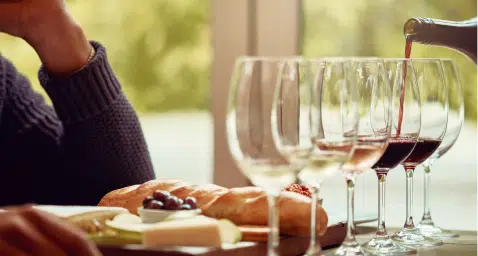
Explore the culinary heart of Paris on a 3-hour walking tour through Saint-Germain-des-Prés or Le Marais. Visit 6 artisanal shops, taste premium cheeses, charcuterie, and wines, and learn the secrets of French cuisine from expert chefs.
-

Secret 17th Cellar:Wine & Cheese Workshop
Dive into the world of French cheese and wine in a historic 17th-century cellar in Le Marais. Taste 8+ varieties of artisanal cheeses paired with biodynamic wines, and explore a cheese-aging chamber with certified specialists.
-
Tailor-Made Champagne Day Trip from Paris
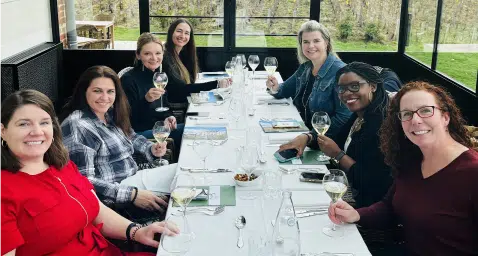
Embark on a full-day private journey to Champagne country, visiting Grand Maisons and grower estates in Reims or Épernay. Taste 7-10 unique Champagnes, enjoy a 3-course lunch, and uncover the art of sparkling wine with expert sommeliers.
-

Discover France Through Wine: Premium Tasting in a Historic Paris Cellar
Immerse yourself in the rich tapestry of French winemaking with an exclusive tasting in a historic 17th-century cellar in the heart of Paris.
-
Sweet Paris: Deluxe Pastries & Chocolate Experience
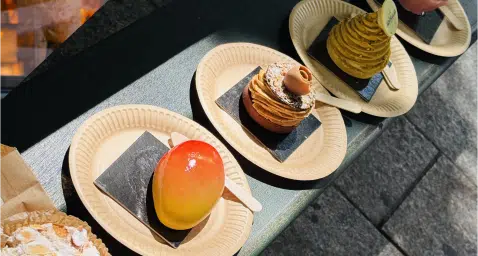
Indulge in a 2.5-hour tour of Paris’s finest chocolate and pastry shops. Taste exquisite truffles, macarons, and seasonal treats while learning the art of French confectionery from a master pastry chef.
-

A Chef’s Market Walk: Explore Marché d’Aligre
Experience Paris like a local on a 3-hour market walk through the iconic Marché d’Aligre. Taste fresh produce, cheeses, and breads, and learn insider tips on French cooking from a professional chef.