Cheese and Wine in Paris: What Actually Matters: Field notes from cheese specialists
Cheese and wine in Paris are not about accumulation. They are about placement, timing, and rhythm, the small decisions that make an experience feel effortless rather than overbuilt.

Intro
We learn cheese slowly. By repetition. By visiting cheeseshops and talking to experts. By tasting the same product at different hours, in different seasons, with different people. By watching what Parisians buy when no one is looking, when no one is trying to impress anyone.
In the context of luxury culinary experiences in Paris, this matters more than any checklist or tasting menu.
Over time, one thing becomes clear: cheese and wine in Paris are not about accumulation. They are about placement.
This article exists because many conversations around French cheese and wine start in the wrong place. They begin with names, formats, or rules instead of habits. When that happens, people often leave Paris having tasted a lot but remembered very little.
What Usually Goes Wrong
We often meet guests who arrive convinced they need to try everything. More cheeses. More wines. Bigger boards. Faster explanations.
It’s a generous instinct, but it rarely works.
After a certain point, palates blur, attention drifts, and what should feel generous starts to feel heavy. We see it happen constantly during private wine tasting experiences in Paris that are structured around quantity instead of rhythm.
In Paris, eating well almost never feels like effort. When it does, something is off. Cheese and wine here aren’t designed to impress. They’re designed to fit into a day.
Cheese Makes Sense When You Think in Time and Style
Cheese counters can feel intimidating, especially for American visitors, because they’re often approached the same way as in the U.S., by texture.
Soft. Semi-soft. Hard.
In France, we rarely think that way.
In any serious Paris fromagerie, cheeses are organized by style, because style tells you far more about flavor, aroma, and structure. A balanced selection usually moves through a few families:
- Bloomy-rind cheeses, soft and milky with vegetal notes.
- Washed-rind cheeses, savory, meaty, aromatic.
- Mountain cheeses, firm, nutty, built for aging.
- Goat’s-milk cheeses, driven by freshness and season.
- Blue cheeses, salty and savory, used carefully, often at the end.
Thinking this way shifts attention away from firmness and toward signature flavors, lactic, nutty, animal, herbal, which is how cheese is actually discussed by Paris cheese specialists.
Working closely with affineurs has also trained us to stop asking what kind of cheese and start asking when it belongs. Some cheeses are perfect at lunch. Others only make sense once the day has slowed down. Some feel social. Others almost private.
Farmhouse raw-milk cheeses, fermier au lait cru, matter because they carry season, milk, and place without filtering them out. When chosen well, they don’t need much explanation, which is why they remain central to the most exceptional food experiences in Paris.
Wine Isn’t Chosen. It’s Timed.
Wine and cheese work best when two things align: intensity and moment.
A powerful, tannic red can crush a delicate cheese. A sharp, energetic wine can lift an entire table. As sommeliers, we spend less time chasing perfect flavor matches than asking a simpler question: what does this moment need?
Lunch and early afternoon favor freshness and tension. Late afternoon allows more structure. Dinner can handle depth, but still benefits from balance.
This is why sparkling wines and high-acid whites often work best at cheese tables. Grower Champagnes, especially extra-brut styles, cut through fat, refresh the palate, and soften salt and rind.
For the same reasons, Grand Cru Rieslings from Alsace are quiet stars with cheese. Their acidity and aromatic precision pair naturally with goat cheeses, sheep’s milk, and aged mountain cheeses.
When red wine makes sense, we often turn to low-intervention Beaujolais crus. Brouilly for lighter moments. Morgon or Moulin-à-Vent when more structure is welcome. Low tannins allow the cheese to speak instead of fighting for attention.
When wine is right, something subtle happens. People stop talking about it and start talking because of it. This is the hallmark of truly bespoke culinary itineraries in Paris.
A Concrete Example at the Cheese Counter
Here’s a very typical six-cheese selection we might build at a serious Paris fromagerie like Laurent Dubois, whose counters serve professionals and informed locals alike.
The logic is balance across styles and cheeses that remain difficult to experience properly outside France due to raw-milk regulations:
- Saint-Maure de Touraine (AOP).
- Ossau-Iraty (AOP).
- Brie de Meaux (AOP).
- Fourme d’Ambert (AOP).
- Époisses (AOP).
- Comté extra-aged (24–36 months).
This is not a tasting designed to overwhelm. It moves naturally from freshness to depth and leaves room for conversation, which is when people relax and start enjoying themselves.
Why Paris Still Matters
Paris doesn’t matter because it has the most cheese or the highest-quality wines. It matters because it connects people.
Producers, affineurs, bakers, cavistes, cooks, and regulars intersect in a city where eating still happens at human speed. Where good things are bought on the way home. Where wine is poured because the moment asks for it.
This is why insider Paris experiences remain so compelling. They don’t feel staged. They feel lived.
What Actually Stays With You
Everyone eats in Paris. Not everyone remembers it.
What lasts isn’t novelty or luxury. It’s alignment. A cheese tasted exactly when it’s ready. A glass poured at the right pause in conversation. That quiet moment when everything feels easy and you realize you’re no longer trying to understand French food, you’re simply enjoying it.
Those moments aren’t accidents. They come from paying attention to how the city feeds itself.
Paris doesn’t need decoding. It needs patience.
And when you give it that, cheese and wine stop feeling like highlights and start feeling like a way of belonging, even briefly.
Our Top Fromageries in Paris
- Fromagerie Laurent Dubois (MOF), 47ter Boulevard Saint-Germain, 75005.
- Fromagerie Quatrehomme, 62 Rue de Sèvres, 75007.
- Fromagerie Barthélemy, 51 Rue de Grenelle, 75007.
- Fromagerie Alléosse, 13 Rue Poncelet, 75017.
- Fromagerie Chez Virginie, 54 Rue Damrémont, 75018.
- COW – Cheese of the World, 30 Boulevard Saint-Germain, 75005.
- Saisons Fromagerie & Bar à Fromages, 30 Rue du Grenier-Saint-Lazare, 75003.
- TAKA & VERMO, 61bis Rue du Faubourg Saint-Denis, 75010.
- Fromagerie Beillevaire, 48 Rue des Martyrs, 75009.
- Androuët, 134 Rue Mouffetard, 75005.
Table of Contents
Explore more on Parisian Food &
Wine with Our Blog

Bistro vs Neo-Bistro: How to Choose the Right Paris Dining Experience
A chef-sommelier’s insider guide to understanding the difference between Parisian bistros and neo-bistros, and how travel designers can choose the right experience for their clients.
Read More

Paris in Winter: The Best Culinary Experiences for December – February Travelers
A chef-sommelier guide to Paris in winter, exploring seasonal food, bistros, and wine experiences ideal for December to February itineraries.
Read More
Discover a Parisian farmer’s market
We will meet up and delight our tastebuds right away with the most delicious croissant au beurre with coffee or tea à la Parisienne in a traditional neighborhood bakery before starting to stroll at one of the oldest markets in the city. We will share the brief history of this market and its neighborhood, how the market functions, French food traditions, etc.
Read More

Ready to Taste
Paris’s Finest Cuisine?
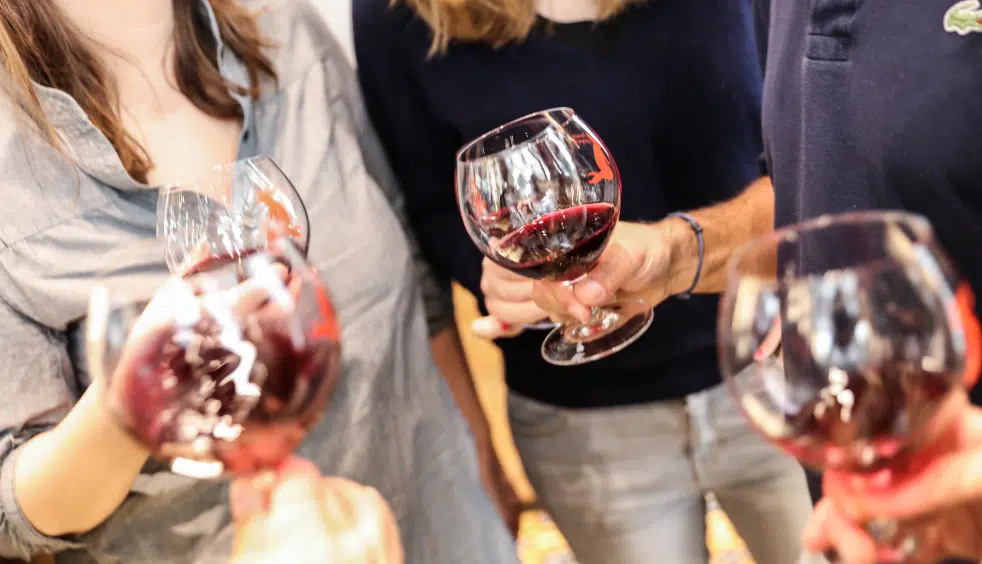
Inspired by these notes? Let We Taste Paris guide you through the city’s culinary wonders with bespoke food and wine experiences. From market walks uncovering local flavors to intimate tastings in historic cellars, join Aurélien and Andrés for a private journey built around rhythm, timing, and what actually matters at the table.
Only private experiences for the most personalized experience.

WeTasteParis Experiences
Crafted by Local Experts
-
French Essential Food & Wine Experience
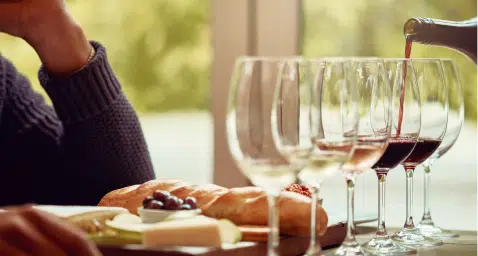
Explore the culinary heart of Paris on a 3-hour walking tour through Saint-Germain-des-Prés or Le Marais. Visit 6 artisanal shops, taste premium cheeses, charcuterie, and wines, and learn the secrets of French cuisine from expert chefs.
-

Secret 17th Cellar:Wine & Cheese Workshop
Dive into the world of French cheese and wine in a historic 17th-century cellar in Le Marais. Taste 8+ varieties of artisanal cheeses paired with biodynamic wines, and explore a cheese-aging chamber with certified specialists.
-
Tailor-Made Champagne Day Trip from Paris
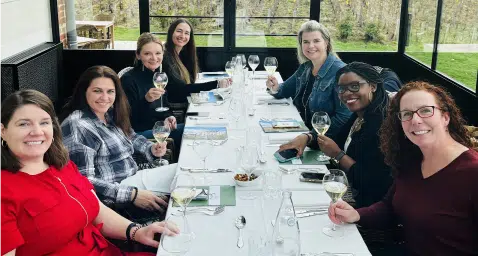
Embark on a full-day private journey to Champagne country, visiting Grand Maisons and grower estates in Reims or Épernay. Taste 7-10 unique Champagnes, enjoy a 3-course lunch, and uncover the art of sparkling wine with expert sommeliers.
-

Discover France Through Wine: Premium Tasting in a Historic Paris Cellar
Immerse yourself in the rich tapestry of French winemaking with an exclusive tasting in a historic 17th-century cellar in the heart of Paris.
-
Sweet Paris: Deluxe Pastries & Chocolate Experience
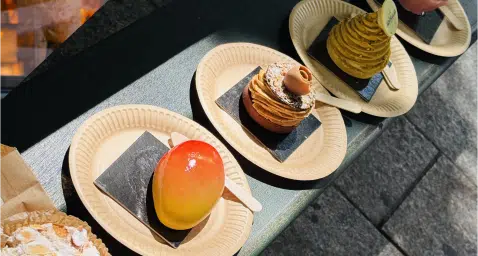
Indulge in a 2.5-hour tour of Paris’s finest chocolate and pastry shops. Taste exquisite truffles, macarons, and seasonal treats while learning the art of French confectionery from a master pastry chef.
-

A Chef’s Market Walk: Explore Marché d’Aligre
Experience Paris like a local on a 3-hour market walk through the iconic Marché d’Aligre. Taste fresh produce, cheeses, and breads, and learn insider tips on French cooking from a professional chef.