Bistro vs Neo-Bistro: How to Choose the Right Paris Dining Experience
This is one of the most common mistakes we see when planning meals in Paris. Two restaurants, two streets apart, both described as classic bistros. One delivers exactly what the guest hoped for. The other leaves them slightly disappointed, without anyone quite knowing why.

Intro
At lunch, the difference is easy to spot if you know what to pay attention to.
In one dining room, menus are laminated, tables are set with careful precision, and the wine list reads like a geography lesson. Everything works. Everything behaves. The service follows a script that has been tested for years.
A few streets away, plates arrive when they are ready, not when the choreography says so. The menu fits on a single page. The wine is already open. Someone asks the server what they would drink and actually waits for the answer.
Both places call themselves bistros. This is where the confusion starts.
For travel designers planning Paris food and wine itineraries, the choice is not about trendiness or style. It is about intention, and about understanding what kind of Paris dining experience the guest is actually sitting down for.
What a Bistro Really Is
Historically, the Parisian bistro was never meant to be charming.
It was functional. A place to eat quickly, drink wine, and get back to work. Food was straightforward, portions generous, service efficient. The informality was not a concept, it was a necessity.
Over time, many Paris bistros became institutions. Recipes settled. Décor froze. Certain dishes became non-negotiable. Steak-frites. Blanquette. Onion soup. The codes were clear, and that clarity still matters.
Food journalists often point this out: the traditional Paris bistro did not disappear.
It became reassuring.
For many guests, especially first-time visitors, that reassurance is exactly what they are looking for in a classic Paris dining experience.
Why Neo-Bistros Appeared
Neo-bistros did not emerge to replace bistros. They appeared because chefs needed a different tool.
In the early 2000s, chefs trained in high-end kitchens began opening smaller places. Not because they rejected technique, but because they wanted to use it more freely. Shorter menus. Seasonal sourcing. Less distance between the kitchen and the dining room.
Wine followed immediately. Sommeliers stopped building lists to impress collectors and started building lists to serve food. Bottles that worked at lunch. Wines you could finish. Wines that did not dominate the table.

Food journalists were quick to frame the movement, but chefs felt it first. What mattered was not luxury or simplicity, it was coherence.
That coherence sits at the heart of the neo-bistro and defines many current Paris dining trends.
How Sommeliers Spot the Difference Instantly
If you want to understand whether a place leans bistro or neo-bistro, do not start with the food. Start with the wine list.
In a traditional bistro:
- The list is often long
- Regions are classic
- Vintages matter
- The structure feels fixed
In a neo-bistro:
- The list is shorter
- Producers change often
- Low-intervention and biodynamic wines are common
- The list moves with the kitchen
Sommeliers we work with often say the same thing: the wine list tells you who the restaurant is really cooking for. For travel designers curating luxury food and wine experiences in Paris, this detail is pure gold.
What Guests Actually Feel at the Table
This is where the distinction becomes tangible.
In a classic bistro, guests usually feel:
- Reassured
- Oriented
- Taken care of by tradition
In a neo-bistro, guests tend to feel:
- Curious
- Relaxed
- Slightly more involved
Neither experience is better. They simply serve different moments. Problems arise when they are treated as interchangeable within a Paris itinerary.
Choosing the Right One for the Right Client
This is where curation matters.
A traditional Paris bistro works beautifully for:
- First-time visitors
- Guests who want recognizable French dishes
- Clients who enjoy ritual and continuity
- Lunches that structure a busy sightseeing day
A neo-bistro works best for:
- Repeat visitors
- Food-savvy travelers
- Clients curious about how Parisians eat now
- Evenings meant to stretch, not rush
Chefs will tell you neo-bistros are less forgiving. They rely on seasonality, timing, and mood. When everything aligns, the experience is memorable. When it does not, it can feel confusing. That is exactly why professional guidance matters when designing Paris food and wine itineraries for clients.
Where This Choice Shapes an Itinerary
Bistro decisions shape the rhythm of a day. A classic bistro at lunch creates structure. A neo-bistro at dinner opens space. We often design days where both coexist, deliberately. Tradition first. Evolution later. Food journalists sometimes describe this as Paris talking to itself through food. Old recipes next to new instincts. Familiar dishes beside personal cooking.
Guests feel that contrast, even if they do not put words to it. Bistros and neo-bistros are not opposing camps. They are complementary tools. The strongest Paris itineraries for travel designers use both intentionally. Choose the bistro for grounding, continuity, and comfort. Choose the neo-bistro for energy, curiosity, and insight into contemporary Paris.
Placed at the right moment, each one explains a different side of the city.
And that, ultimately, is what a good meal in Paris should do.
Our Favorite Paris Bistros & Neo-Bistros (2026 Shortlist)
We eat at these places often. We book normally. We pay the bill.
We are chefs and sommeliers based in Paris. This is where we actually go with colleagues, after service, on quiet weekdays, because the cooking makes sense, the wine is chosen with intention, and the experience reflects how Paris eats today.
This shortlist is not exhaustive, and it is not meant to be. It is a professional selection shaped by repetition: places we return to, meals that hold up over time, and tables we trust enough to recommend when curating bespoke Paris dining experiences.
These are the Paris bistros and neo-bistros we trust enough to recommend when curating luxury food and wine experiences in Paris for private clients and travel designers.
NEO-BISTROS – Our Shortlist 2025/2026
1. Le Cornichon (11th)
A neo-bistro where cooking stays direct and seasonal, we always come back for the steak frites cooked in beef fat, a reminder that simplicity, done right, still wins.
2. Café du Coin (11th)
Casual on the surface, quietly serious underneath, with a kitchen and wine list moving in the same direction, the daily market dish, taken as is, rarely disappoints.
3. Maison Sota (11th)
A chef-driven table where technique remains light and precise, the fish of the day, cooked à la minute, shows how restraint can still feel generous.
4. Vantre (11th)
A long-standing reference of the neo-bistro movement, pairing thoughtful cooking with a wine list built for drinking, not collecting, the slow-braised meats, especially in colder months, are still a benchmark.
5. Dandelion (20th)
A neighborhood-rooted neo-bistro that has grown quietly with its surroundings, the seasonal vegetable plates, often built around one product, explain why it still feels relevant now.
6. Pétrelle (9th)
Classic in spirit but very much part of the modern Paris table, the vol-au-vent, when it’s on the menu, shows how tradition can live comfortably in a neo-bistro context.
7. Ambos (6th)
A discreet, chef-led neo-bistro where subtlety matters more than spectacle, the set menu, paced calmly, makes the most sense when you give it the evening.
8. Parcelles (3rd)
A lively neo-bistro with generous plates and a clear rhythm, the grilled côte de bœuf to share, paired with whatever the team is pouring that day, captures how Paris eats now.
9. Le Savarin (10th)
A quietly modern table that never chased trends, the daily slow-cooked plat, unchanged over time, is why chefs still trust this address.
10. Les Collonges (18th)
A sincere, neighborhood-driven neo-bistro, the plat du jour, cooked without overthinking, reflects a kitchen confident enough not to perform.
Classic Paris Bistros – Our Shortlist 2025/2026

1. Café des Ministères (7th)
A serious, no-nonsense bistro where regulars come for consistency, the steak frites, properly rested and cooked in beef fat, is still the reason to book.
2. La Petite Chaise (7th)
One of the oldest bistros in Paris, unchanged in spirit, the blanquette de veau, rich and comforting, shows why some recipes don’t need updating.
3. Chez Georges (2nd)
A textbook Paris bistro that does not try to reinvent itself, the entrecôte with béarnaise, ordered without discussion, is what chefs come for.
4. Le Cheval d’Or (11th)
Rooted in tradition but run with a steady hand, the classic meat dishes, especially the roast of the day, deliver exactly what you expect, and that’s the point.
5. Pantruche (9th)
A dependable neighborhood bistro with a loyal following, the roast chicken and jus, served simply, is why people keep coming back.
6. Quedubon (10th)
A straightforward address focused on good sourcing and clear flavors, the grilled meats, ordered by weight and cooked properly, are the safe bet every time.
7. Le Duc (9th)
A long-standing fish bistro where technique matters more than trends, the whole grilled fish, depending on the market, is best enjoyed without overthinking.
8. Bistrot des Tournelles (4th)
A classic Marais bistro that hasn’t drifted, the pork ribs, generous and unapologetic, explain its enduring popularity.
9. Café des Musées (3rd)
Reliable, unfussy, and well-run, the duck confit, crisp where it should be, remains one of the most consistent in the neighborhood as well as the Boeuf Bourgignon.
10. Brasserie Lipp (6th)
A Paris institution that still plays its role well, the saucisse purée, eaten at the counter or at a table, is as much about ritual as it is about flavor.
How to Use This Shortlist
This shortlist is designed as a tool. For travel designers and planners, these addresses help anchor Paris itinerary planning around meals that explain the city rather than perform it. Classic bistros provide grounding, continuity, and structure. Neo-bistros offer insight into how Paris cooks and drinks today.
Used together, they create rhythm. Placed at the right moment, each one explains a different side of Paris. That is ultimately what a good meal in this city should do.
Table of Contents
Explore more on Parisian Food &
Wine with Our Blog

The New Paris Food & Wine Landscape: What’s Changed and Why It Matters
A chef-sommelier’s insider view of how Paris Food & Wine Landscape have evolved, and how travel designers can curate meaningful, non-touristy culinary experiences in Paris.
Read More
Bistro vs Neo-Bistro: How to Choose the Right Paris Dining Experience
A chef-sommelier’s insider guide to understanding the difference between Parisian bistros and neo-bistros, and how travel designers can choose the right experience for their clients.
Read More
Secret Cellar Cheese & Wine Tasting
At a charming cheese boutique in the Marais neighborhood, we’ll dive straight into the vast and exciting world that is French cheese: the history, production process, science, regional specialties, and cultural significance.
Read More

Ready to Taste
Paris’s Finest Cuisine?
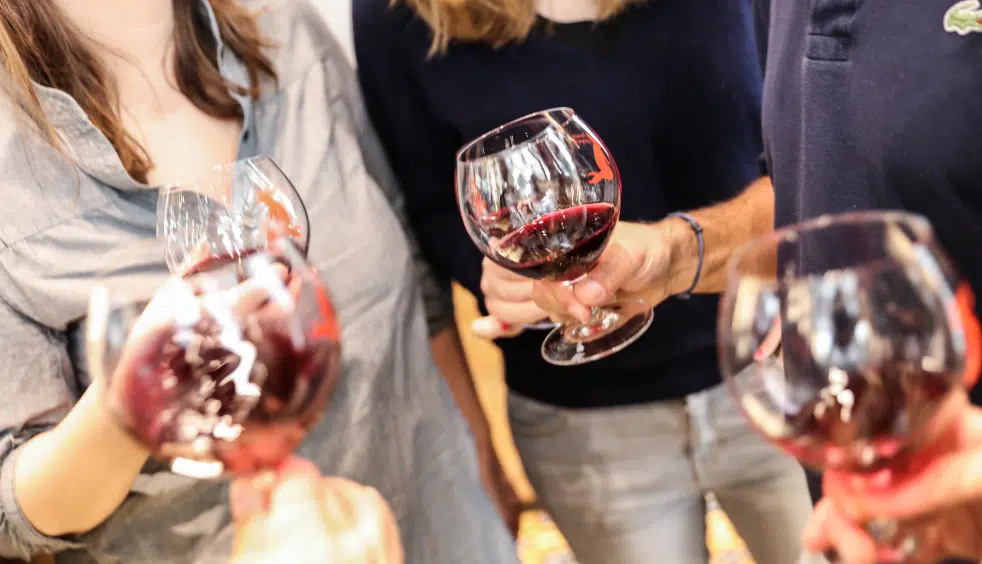
Inspired by these top dining destinations? Let We Taste Paris guide you through the city’s culinary wonders with our bespoke food and wine experiences. From intimate tastings in historic cellars to market walks uncovering local flavors, join Aurélien and Andrés for a private journey that complements your restaurant adventures.
Only Private experiences for the most personalized experience.

WeTasteParis Experiences
Crafted by Local Experts
-
French Essential Food & Wine Experience
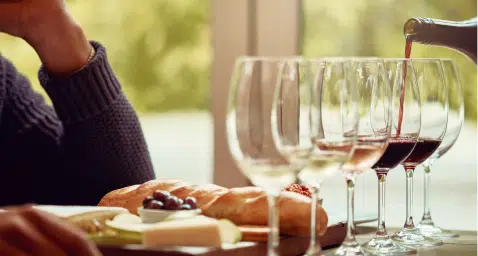
Explore the culinary heart of Paris on a 3-hour walking tour through Saint-Germain-des-Prés or Le Marais. Visit 6 artisanal shops, taste premium cheeses, charcuterie, and wines, and learn the secrets of French cuisine from expert chefs.
-

Secret 17th Cellar:Wine & Cheese Workshop
Dive into the world of French cheese and wine in a historic 17th-century cellar in Le Marais. Taste 8+ varieties of artisanal cheeses paired with biodynamic wines, and explore a cheese-aging chamber with certified specialists.
-
Tailor-Made Champagne Day Trip from Paris
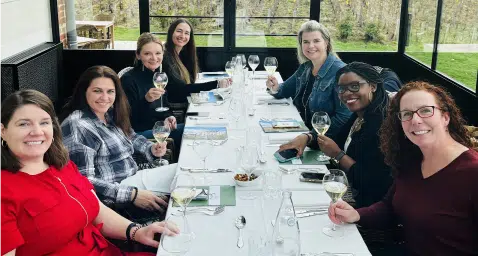
Embark on a full-day private journey to Champagne country, visiting Grand Maisons and grower estates in Reims or Épernay. Taste 7-10 unique Champagnes, enjoy a 3-course lunch, and uncover the art of sparkling wine with expert sommeliers.
-

Discover France Through Wine: Premium Tasting in a Historic Paris Cellar
Immerse yourself in the rich tapestry of French winemaking with an exclusive tasting in a historic 17th-century cellar in the heart of Paris.
-
Sweet Paris: Deluxe Pastries & Chocolate Experience
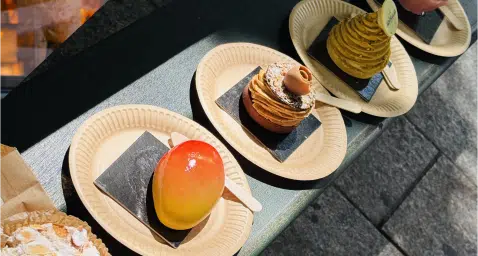
Indulge in a 2.5-hour tour of Paris’s finest chocolate and pastry shops. Taste exquisite truffles, macarons, and seasonal treats while learning the art of French confectionery from a master pastry chef.
-

A Chef’s Market Walk: Explore Marché d’Aligre
Experience Paris like a local on a 3-hour market walk through the iconic Marché d’Aligre. Taste fresh produce, cheeses, and breads, and learn insider tips on French cooking from a professional chef.