A Sommelier’s Guide to Natural Wine Bars in Paris (For Travel Designers & Savvy travelers)
Around 6:30 p.m., Paris lowers its voice. Kitchens reset between services, chairs scrape softly on the pavement, and wine bars begin to fill with people who already know where they are going. A cork lands in a small metal bin. Someone wipes the counter without looking up. Two bottles are already open, one for now, one for later.

Intro
This is where natural wine or let’s say low-intervention wines in Paris actually live.
Not in places built around manifestos or slogans, but in narrow rooms where sommeliers stop for one glass after service, where chefs lean on the bar still in their jackets, and where the wine list changes because the wines do.
Natural wine bars can look casual, even improvised. Yet choosing the right one can make the difference between a moment that feels effortless and one that leaves guests quietly unsure of what just happened.
This guide is not about chasing the loudest names. It is about understanding how Paris drinks today, and how to place that experience correctly within a Paris food and wine itinerary.
What “Natural Wines AKA Low-intervention wines” Means in Paris (In Practice)
In Paris, natural wine is not a movement anymore. It is a working language.
For sommeliers, the question is rarely ideological. It is practical.
Does the wine work with food?
Does it drink well over time?
Does it make sense at this hour, at this table, on this street?
Many of the city’s best wine bars do not advertise themselves as natural wine bars at all. They simply work with growers they trust, often biodynamic, often small-scale, and build lists that move constantly.
Wine journalists noticed this shift years ago. Paris did not abandon classic regions or technique. It absorbed them differently. Today, a typical Paris natural wine bar list might include Loire whites with texture rather than sharpness, Beaujolais served lightly chilled, Jura poured without explanation, and southern wines chosen for balance rather than power.
The point is not provocation. It is drinkability.
Why Natural Wine Bars Matter for Travel Designers
Natural wine bars solve a very specific problem in Paris itinerary planning.
They offer flexibility without dilution. Unlike formal tastings, they allow guests to arrive organically, drink at their own pace, and engage as much or as little as they want. Unlike destination dining, they do not demand an entire evening.

For many clients, this feels like relief. A well-placed wine bar can soften the transition between activities, anchor an evening without over-structuring it, introduce French wine culture without intimidation, and create space for conversation.
This is especially valuable on the first evening of a trip, when guests are still finding their footing in the city. Sommeliers understand this instinctively. That is why so many of them end their own days in these places.
How Sommeliers Spot the Difference Instantly
If you ask sommeliers where they really drink, their answers tend to overlap.
They look for:
- short lists that change often
- bottles already open behind the bar
- staff who taste daily, not just on delivery day
- food that supports the wine rather than competes with it
They avoid:
- lists built around hype
- places that explain too much
- bars where every wine somehow tastes the same
One sommelier put it bluntly over a glass:
“If the bar feels like it is trying too hard, the wine probably is too.”
It is a useful filter when curating luxury food and wine experiences in Paris.
Where Natural Wine Works Best in an Itinerary
Natural wine bars work best when they are not treated as destinations.
They shine before dinner, when the palate is still open. After a long lunch, as a soft landing. At the end of a cultural afternoon, when everyone needs to sit before talking again.
On the first evening of a trip, when expectations are still flexible. They work less well when they are forced, when the bar becomes the point rather than part of the rhythm.
Paris wine culture is contextual. The street matters. The time matters. The energy in the room matters. This is why neighborhood logic matters more than individual addresses.
Neither experience is better. They simply serve different moments. Problems arise when they are treated as interchangeable within a Paris itinerary.
The Neighborhood Logic
Certain areas of Paris have developed a natural affinity with wine bars.
- The 10th and 11th remain central, informal, lively, and deeply connected to the contemporary food scene.
- South Pigalle and the 9th offer a compact, evening-friendly rhythm, ideal for a single, well-placed stop.
- Saint-Germain, often underestimated, has quietly evolved. Fewer slogans, more thoughtful lists, and a calmer pace that suits winter evenings especially well.
For travel designers, this geography is not decoration. It is structure.
Why We Curate the Way We Do
We are often asked for “the best natural wine bars in Paris. ”We do not answer with rankings. We return to the same places again and again. We book like everyone else. We pay. We sit at the bar and watch how the room behaves over time. We are not influencers.
We do not receive invitations or commissions. We are chefs, sommeliers, and educators based in Paris, recommending places because they hold up, not because they photograph well. That repetition matters. The bars that last are the ones where wine is treated as hospitality, not performance.
What Guests Actually Take Away
When natural wine bars work, guests leave with something subtle but lasting. They do not remember tasting notes. They remember how relaxed they felt ordering a second glass. They remember that the wine made sense with the food, with the conversation, with the moment.
They understand, without being told, that French wine culture is not about knowing everything. It is about paying attention. This is why natural wine bars are often the most effective way to introduce Paris wine culture. They do not teach. They reveal.
For Travel Designers
Natural wine bars are not a trend add-on. They are part of how Paris eats and drinks now. Placed correctly, they bring ease, flexibility, and cultural accuracy to an itinerary, particularly for food-savvy clients and repeat visitors.
If you are curating Paris experiences and want wine moments that feel contemporary, grounded, and genuinely local, natural wine bars belong in the conversation. Not as destinations, but as connectors.
Our Go-To Natural Wine Bars in Paris (2026)
These are not destinations. They are connectors. Places that reset pace, open conversation, and let Paris reveal itself one glass at a time.

1. Yard (11th)
A calm, sommelier-led wine bar where bottles are chosen to drink now, not to discuss later. Ideal early evening, when the night is still open and unforced.
2. Le Verre Volé – Cave (10th)
Compact, focused, and quietly influential. Bottles already open, no posture, and wines that sharpen the appetite rather than steal attention.
3. L’Avant-Comptoir du Marché (6th)
Saint-Germain without the theatre. Fast pours, standing-room energy, and serious wines that work best before dinner, when conversation moves easily.
4. La Grande Crèmerie (6th)
More space, more seating, and a slower rhythm. A place to linger over a glass when comfort and concentration matter as much as the wine.
5. Les Vins Supernaturels (6th)
Thoughtfully curated and reassuring in tone. A bright, well-lit room where natural wine feels accessible, balanced, and quietly confident.
6. La Bonbonette (3rd)
Discreet and focused, tucked into the Marais. Best for one intentional glass mid-walk, when wine acts as punctuation rather than an event.
7. Trouble (9th)
A sharp list in a low-key room, with no explanation overload. A precise South Pigalle stop when you want wine to feel local, not staged.
8. Bien Boire (11th)
Relaxed, generous, and deeply neighborhood-driven. A place where wine feels human again and conversations stretch without effort.
9. Giglette (11th)
Compact, warm, and quietly buzzing. Playful but grounded bottles, perfect mid-evening when spontaneity matters more than structure.
10. Pur Vin (12th)
Calm, balanced, and reassuring, just outside the city’s rush. Ideal after travel or at day’s end, when guests want wine to ground rather than excite.
Table of Contents
Explore more on Parisian Food &
Wine with Our Blog

Bistro vs Neo-Bistro: How to Choose the Right Paris Dining Experience
A chef-sommelier’s insider guide to understanding the difference between Parisian bistros and neo-bistros, and how travel designers can choose the right experience for their clients.
Read More

Paris in Winter: The Best Culinary Experiences for December – February Travelers
A chef-sommelier guide to Paris in winter, exploring seasonal food, bistros, and wine experiences ideal for December to February itineraries.
Read More
Discover a Parisian farmer’s market
We will meet up and delight our tastebuds right away with the most delicious croissant au beurre with coffee or tea à la Parisienne in a traditional neighborhood bakery before starting to stroll at one of the oldest markets in the city. We will share the brief history of this market and its neighborhood, how the market functions, French food traditions, etc.
Read More
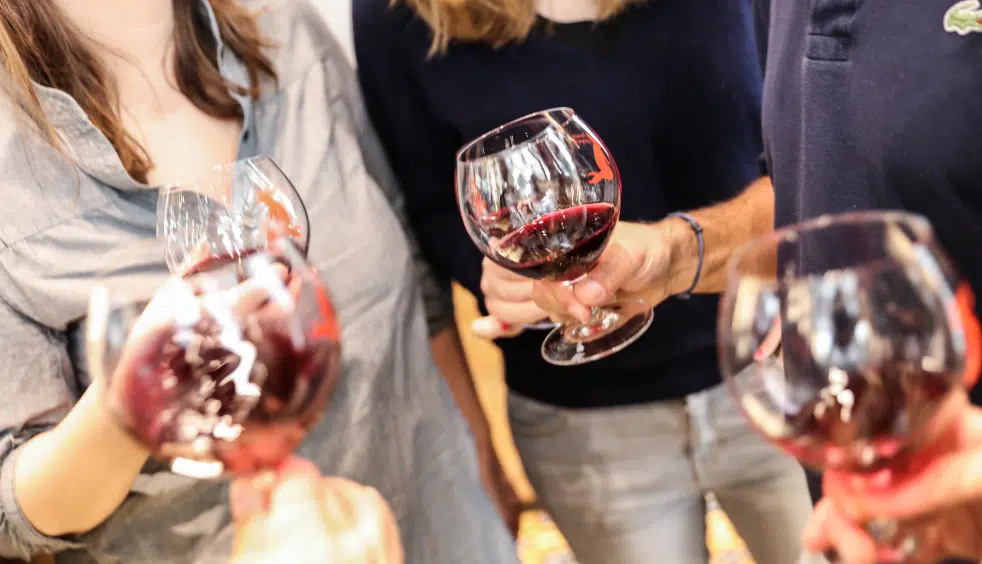

Ready to Taste
Paris’s Finest Cuisine?
Inspired by these top dining destinations? Let We Taste Paris guide you through the city’s culinary wonders with our bespoke food and wine experiences. From intimate tastings in historic cellars to market walks uncovering local flavors, join Aurélien and Andrés for a private journey that complements your restaurant adventures.
Only Private experiences for the most personalized experience.

WeTasteParis Experiences
Crafted by Local Experts
-
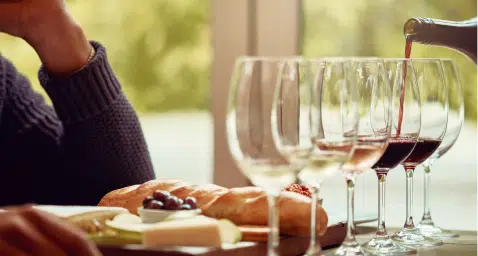
French Essential Food & Wine Experience
Explore the culinary heart of Paris on a 3-hour walking tour through Saint-Germain-des-Prés or Le Marais. Visit 6 artisanal shops, taste premium cheeses, charcuterie, and wines, and learn the secrets of French cuisine from expert chefs.
-

Secret 17th Cellar:Wine & Cheese Workshop
Dive into the world of French cheese and wine in a historic 17th-century cellar in Le Marais. Taste 8+ varieties of artisanal cheeses paired with biodynamic wines, and explore a cheese-aging chamber with certified specialists.
-
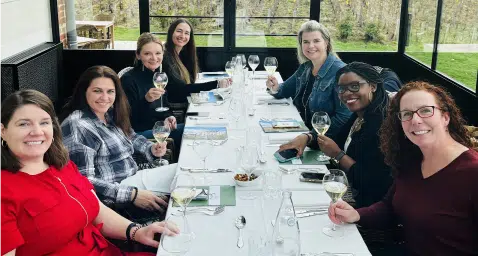
Tailor-Made Champagne Day Trip from Paris
Embark on a full-day private journey to Champagne country, visiting Grand Maisons and grower estates in Reims or Épernay. Taste 7-10 unique Champagnes, enjoy a 3-course lunch, and uncover the art of sparkling wine with expert sommeliers.
-

Discover France Through Wine: Premium Tasting in a Historic Paris Cellar
Immerse yourself in the rich tapestry of French winemaking with an exclusive tasting in a historic 17th-century cellar in the heart of Paris.
-
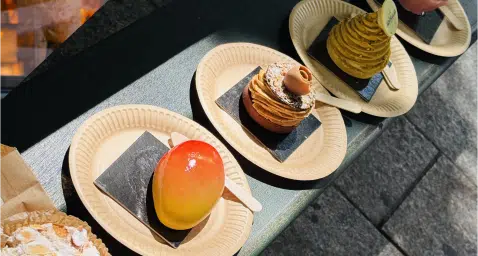
Sweet Paris: Deluxe Pastries & Chocolate Experience
Indulge in a 2.5-hour tour of Paris’s finest chocolate and pastry shops. Taste exquisite truffles, macarons, and seasonal treats while learning the art of French confectionery from a master pastry chef.
-

A Chef’s Market Walk: Explore Marché d’Aligre
Experience Paris like a local on a 3-hour market walk through the iconic Marché d’Aligre. Taste fresh produce, cheeses, and breads, and learn insider tips on French cooking from a professional chef.