What Makes Paris Wine Bars So Special?
Around five o’clock, something begins to change in Paris.

Intro
Field Notes from a Paris Sommelier
The working day is not quite finished, dinner is still a few hours away, and wine bars begin to fill.
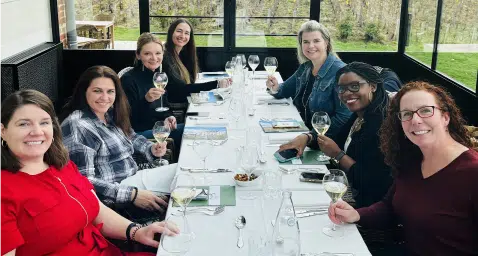
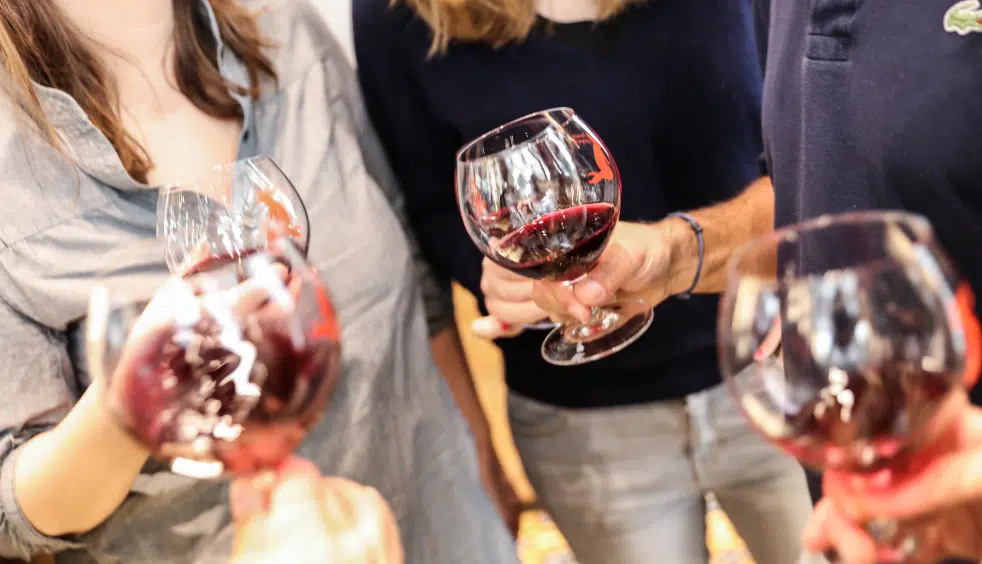
Friends arrive for an apéritif, or simply l’apéro, the French ritual of gathering over a glass of wine and a few small bites before the evening begins.
After dinner, the energy changes. The last glass or bottle is slower and more intimate.
Nobody wants to say goodnight yet.
The Parisian Ritual of L’Apéro
In Paris, people rarely order wine because they are thirsty. They order it because the conversation is beginning, or because nobody is ready for it to end.
A Paris wine bar is not simply where people go to drink wine.
It is where they go to continue the evening.
It is our living room, an extension of home, where ideas come out, introductions are made, friendships begin, and life unfolds.
How Paris Wine Bars Have Changed
Twenty years ago, many traditional bars à vins were straightforward neighbourhood counters serving familiar appellations with a plate of cheese or charcuterie.
The wines were mostly conventional, while the cheese and charcuterie were often sourced through the large wholesale markets without mentioning a specific farm, cheesemaker, butcher, or producer.
Those places still exist, and some remain wonderful.
But the category has changed.
A new generation of wine bars has become part caviste, part neighbourhood living room, and part tiny restaurant.
The kitchen may be small, but the sourcing is more precise.
The name of the winemaker matters. So does the farm behind the cheese, the person who made the saucisson, and the season of the vegetables.
One of our favourite examples is Ici Même in the 12th arrondissement. Artisanal farmhouse cheeses and charcuterie accompany a fantastic selection of wines, particularly grower Champagne at remarkable value.
On one visit, the owner proposed three bottles in sequence.
As sommeliers, we instantly recognise a serious place when someone thinks not only about which wines to serve, but about the order in which they should arrive.
We began with a blanc de blancs brut nature, followed by a rosé de saignée, then an assemblage incorporating older reserve wines.
The tasting moved from freshness and precision towards something broader and more gastronomic.
A few glasses and a cheese board became a proper Champagne tasting without anyone needing to announce it as one.
Why Food and Wine Belong Together
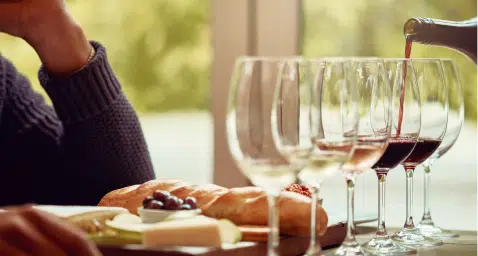
The menus in these hybrid spaces are usually short: farmhouse raw-milk cheeses, artisanal charcuterie, good bread, perhaps a terrine, seasonal vegetables, house-made pickles, or one or two hot plates.
Pur Vin, during its time near Square Gardette, even served its own pickles.
The bottle remains at the centre, but the food is not an afterthought.
After leading thousands of private food and wine experiences in Paris and Champagne, we have noticed how curious guests are when we explain that wine and food belong together.
Even if the food is only popcorn, cheese, or a few homemade pickles, something usually arrives with the glass.
In French culture, wine is traditionally treated as part of the meal rather than as an isolated alcoholic drink. We rarely speak about it simply as “alcohol.”
This can be difficult to grasp at first, but it comes from thousands of years of culture.
It is perfectly normal to see someone drinking a beer without food.
Wine without even a small bite feels different.
That connection is central to our Secret 17th-Century Cellar Wine & Cheese Workshop.
Our guide to the Top 10 Favorite Fromageries in Paris goes deeper into the people sourcing and ageing the cheeses served in the city’s best wine bars.
The Atmosphere of a Modern Paris Wine Bar
The atmosphere has changed too.
Many newer wine bars pay as much attention to lighting, music, glassware, and sound as they do to the wine list.
Bottles line the walls, tables sit close together, and the lighting is warm enough to make everyone look slightly better after the second glass.
That is certainly the case at one of our favourite wine bars, La Compagnie Saint-Germain.
Vinyl often replaces television.
The music gives the room energy without turning it into a nightclub, and conversation still moves easily across the table.
These places feel lively without behaving like conventional bars, and serious about wine without becoming formal restaurants.
Why Independent Winemakers Matter
Working as sommeliers has taught us that wine is one of the few products that still carries the personality of the person who made it.
Every vintage reflects a growing season, while every bottle reveals decisions about harvesting, fermentation, ageing, and how much intervention belongs in the cellar.
This is why independent growers matter.
Over time, you begin to recognise their choices and their character, not only the label or appellation.
Much of the low-intervention wine culture now found in Paris can be traced back to Beaujolais, where Marcel Lapierre, Jean Foillard, Guy Breton, and Jean-Paul Thévenet—later known as the Gang of Four—followed the ideas of Jules Chauvet about healthy grapes and less manipulation in the cellar.
What was once marginal is now part of everyday Parisian wine culture.
These bottles appear beside simple food: a ripe tomato, saucisson, aged Comté, or radishes with butter.
Nothing complicated, but everything is carefully chosen.
How to Taste Wine Without Technical Language
Give wine time in the glass and see what happens.
The temperature changes, aromas begin to open, and the texture may feel completely different ten minutes later.
Flavours that were quiet at first suddenly become obvious.
You do not need technical language.
You only need to pay attention for a few seconds now, then return to the glass later.
The wine will usually tell you more than a list of tasting terms.
This is also the spirit of our Premium Wine Tasting in a Historic Paris Cellar, where the pleasure comes from noticing what is happening in the glass rather than memorising vocabulary.
Look Beyond Prestigious Wine Labels
Parisians recognise prestigious names, but good wine bars encourage people to look beyond status and towards the grower, vintage, place, and moment.
A costly bottle with complex tertiary aromas will not necessarily make you happier than a €30 wine you had never heard of but which turned out to be perfect for that evening.
The price tag cannot predict the mood, the company, or what you actually feel like drinking.
Many guests begin by asking for Bordeaux or Champagne.
By the end of a tasting, they are often talking about a Jura Savagnin, a Mondeuse from Savoie, or a Beaujolais cru from a producer whose name they had never heard two hours earlier.
How Wine-Led Hospitality Is Reshaping Paris Bistros
The same wine-led hospitality is now reshaping Paris bistros as well.
Last weekend, we spent four hours over lunch at Le Cadoret, near Parc des Buttes-Chaumont, in a micro-neighbourhood rarely visited by travellers.
The wine list had been assembled with conviction, full of surprises and outstanding independent producers.
Members of the team came over, asked what we enjoyed, and began recommending bottles.
Once they understood our first choice, they worked out where to take us next.
When the Tavel rosé we requested was unavailable, they replaced it with an outstanding bottle from Les Frères Soulier.
It did not feel like a consolation prize.
They understood what we were looking for and proposed something they genuinely believed would work.
At the end of lunch, the owner joined us to talk about the restaurant, his philosophy, and the bottles waiting in the cellar.
Some were not written on the wine list because he did not believe they were ready to drink.
That detail made our afternoon.
It also says a great deal about the new generation of French food, wine, and service, which has become more relaxed, curious, and personal over the past fifteen years without losing precision.
We explore that changing restaurant culture further in our guide to Bistros and Neo-Bistros.
The People Behind Paris Wine Bars
Many of the best wine bars are run by former sommeliers or cavistes rather than celebrity chefs.
They know the growers personally, visit vineyards, attend tastings, and sometimes help during harvest.
You notice it when they recommend a wine.
They are not repeating a sales pitch from a distributor.
They know why that bottle is on the list, how it is drinking, and what should follow it.
Spend an evening in one of these places and nobody seems particularly rushed.
The second glass often lasts longer than the first.
Televisions are rare because people are already talking, listening, and watching the room.
Years later, people rarely remember every label they drank in Paris.
They remember arriving for one glass, ordering a second bottle they had never heard of, and realising two hours later that the dinner reservation no longer mattered.
Sometimes that is the whole point.
Table of Contents

Ready to Taste
Paris’s Finest Cuisine?
Inspired by these notes? Let We Taste Paris guide you through the city’s culinary wonders with bespoke food and wine experiences. From market walks uncovering local flavors to intimate tastings in historic cellars, join Aurélien and Andrés for a private journey built around rhythm, timing, and what actually matters at the table.
Only private experiences for the most personalized experience.

Explore more on Parisian Food &
Wine with Our Blog

Cheese and Wine in Paris: What Actually Matters: Field notes from cheese specialists
A field guide to cheese and wine in Paris, focused on timing, balance, and real eating habits, written by local specialists who understand how Parisians actually taste and pair.
Read More

What Luxury Really Means When Eating in Paris
Luxury culinary experiences in Paris are not about hype or status. From long, unrushed meals to thoughtful wine and producer-driven sourcing, this chef-sommelier guide explains what real luxury feels like in Paris, and how to curate it into high-end itineraries with ease, rhythm, and local insight.
Read MoreParis, Finally Open-Minded: How International Restaurants Changed the City’s Table
Paris is finally open-minded at the table. Here’s how international chefs trained in French technique reshaped Paris dining trends, plus our trusted on-the-ground shortlist of Japanese, Italian, Thai, Chinese, Korean, Lebanese, Vietnamese, Mexican, and Argentine restaurants for a coherent Paris food and wine itinerary.
Read More


WeTasteParis Experiences
Crafted by Local Experts
-
French Essential Food & Wine Experience
Explore the culinary heart of Paris on a 3-hour walking tour through Saint-Germain-des-Prés or Le Marais. Visit 6 artisanal shops, taste premium cheeses, charcuterie, and wines, and learn the secrets of French cuisine from expert chefs.
-
Secret 17th Cellar:Wine & Cheese Workshop
Dive into the world of French cheese and wine in a historic 17th-century cellar in Le Marais. Taste 8+ varieties of artisanal cheeses paired with biodynamic wines, and explore a cheese-aging chamber with certified specialists.
-
Tailor-Made Champagne Day Trip from Paris
Embark on a full-day private journey to Champagne country, visiting Grand Maisons and grower estates in Reims or Épernay. Taste 7-10 unique Champagnes, enjoy a 3-course lunch, and uncover the art of sparkling wine with expert sommeliers.
-
Discover France Through Wine: Premium Tasting in a Historic Paris Cellar
Immerse yourself in the rich tapestry of French winemaking with an exclusive tasting in a historic 17th-century cellar in the heart of Paris.
-
Sweet Paris: Deluxe Pastries & Chocolate Experience
Indulge in a 2.5-hour tour of Paris’s finest chocolate and pastry shops. Taste exquisite truffles, macarons, and seasonal treats while learning the art of French confectionery from a master pastry chef.
-
A Chef’s Market Walk: Explore Marché d’Aligre
Experience Paris like a local on a 3-hour market walk through the iconic Marché d’Aligre. Taste fresh produce, cheeses, and breads, and learn insider tips on French cooking from a professional chef.